
Intellectual Property
What is a patent attorney in Australia?
The short answer
A patent attorney is registered to prepare and file patents in Australia and to take them through examination to grant. Registration is granted by the Trans-Tasman IP Attorneys Board, and almost all patent attorneys hold a degree in science or engineering, because an invention has to be understood in technical detail before it can be described and claimed.
Under Australian law, only a registered patent attorney can prepare a patent specification for someone else for payment. This is the line between a patent attorney and the two roles people confuse them with: a trade mark attorney, who registers brand names and logos rather than inventions, and a lawyer, who handles ownership, contracts and court disputes but does not draft the patent.
What does a patent attorney do?
A patent protects how an invention works. The invention can be a device, substance, method or process, and to qualify, it must be new, inventive and useful.
The patent attorney writes the patent specification, and in particular its claims, the numbered statements that define exactly what the patent covers. The claims set the commercial value of the patent. Claims that are too narrow let a competitor make a small change and avoid infringing; claims that are too broad can be cancelled as invalid because they cover things that were already known.
From before filing through to grant, a patent attorney:
- searches existing patents and publications to check the invention is new and inventive;
- writes the specification and the claims that set the scope of protection;
- files the provisional and standard applications with IP Australia, and arranges filings in other countries;
- answers the examiner's objections and pursues the application until it is granted; and
- advises on whether a competitor infringes, whether a patent is valid, and whether you can sell without infringing someone else's patent.
Patent attorney vs trade mark attorney
What is the difference?
Both are registered attorneys regulated by the same board, which is why the two are easily confused. The difference is the type of intellectual property each one protects. A patent attorney protects inventions, the way a product or process works. A trade mark attorney protects the signs that identify a business in the market: brand names, logos and slogans. A patent and a trade mark are separate rights, on separate registers, with different requirements to obtain them, different costs and different durations. The qualifications overlap in one direction. To register as a patent attorney you must pass the trade marks subjects as well as the technical patent subjects, so most patent attorneys can also act as trade mark attorneys. A trade mark attorney has not passed the patent subjects and cannot act on patents.
What about a patent lawyer or IP lawyer?
Patent lawyer is not a formal title in Australia; it usually means an IP lawyer, a qualified lawyer who handles the legal and commercial side of an invention rather than the drafting. The split is by task. The patent attorney obtains the patent. The lawyer establishes who owns it, puts the agreements in place to license or sell it, and enforces it in court if someone infringes.
This is the work Lazarus Legal does. We confirm who owns the invention, prepare the assignment deeds that move the rights from inventors, employees or contractors to the company, draft the licensing and royalty terms, prepare investor and shareholder documents, set up confidentiality protection, and act in infringement disputes. For the patent specification itself, we work with a registered patent attorney, so the technical filing and the legal ownership are dealt with together.
If you are protecting a brand, such as a name or a logo, rather than an invention, the right you need is a trade mark, not a patent. Registering and enforcing trade marks is the work of a trade mark lawyer, which we do regularly.
What does a patent cost, and how long does it last?
IP Australia’s official fees are low: $100 to file a provisional application and $400 to file a standard patent, plus a renewal fee each year once the patent is granted. The higher cost is the attorney’s time drafting the specification. Most applicants pay between $3,000 and $7,000 for a well-drafted provisional, and a similar amount again for the standard patent, with the spending spread over the years the application takes.
A standard patent lasts up to 20 years from its filing date, and certain pharmaceutical patents can be extended to 25 years, but only while the annual renewal fees are paid. A trade mark works differently: it lasts ten years and can be renewed every ten years without limit, so a brand can stay protected long after the patent on the original product has expired.
Which professional do you actually need?
If you have invented something new and need to protect how it works, start with a registered patent attorney. If the question is who owns the idea, how it is licensed or sold, or how it is defended, that is work for an IP lawyer. If you are protecting a brand rather than an invention, you need a trade mark lawyer. Many businesses need more than one of these, so we coordinate the patent attorney’s filing with the legal and commercial work in a single process.
How to choose a patent attorney in Australia
Anyone who acts as a patent attorney in Australia must be on the public register kept by the Trans-Tasman IP Attorneys Board, so your first step is to confirm the person you are dealing with is actually registered; the register is searchable by name. After that, weigh four things:
- their technical field, because patent attorneys specialise in areas such as engineering, chemistry, biotechnology and software, and theirs should match the invention they will be claiming;
- cost and scope, because drafting time is the main expense, so ask for an estimate or a fixed fee for the provisional and check exactly what it covers;
- reach across Australia, because patents run under a single federal Act, so a registered attorney in any state can act for you and you are not limited to your own city; and
- confidentiality, because you can speak to a registered attorney in confidence, but you should not describe the invention publicly before you file, as a public disclosure can count against its novelty and cost you the patent.

Meet Your Trademark Lawyers
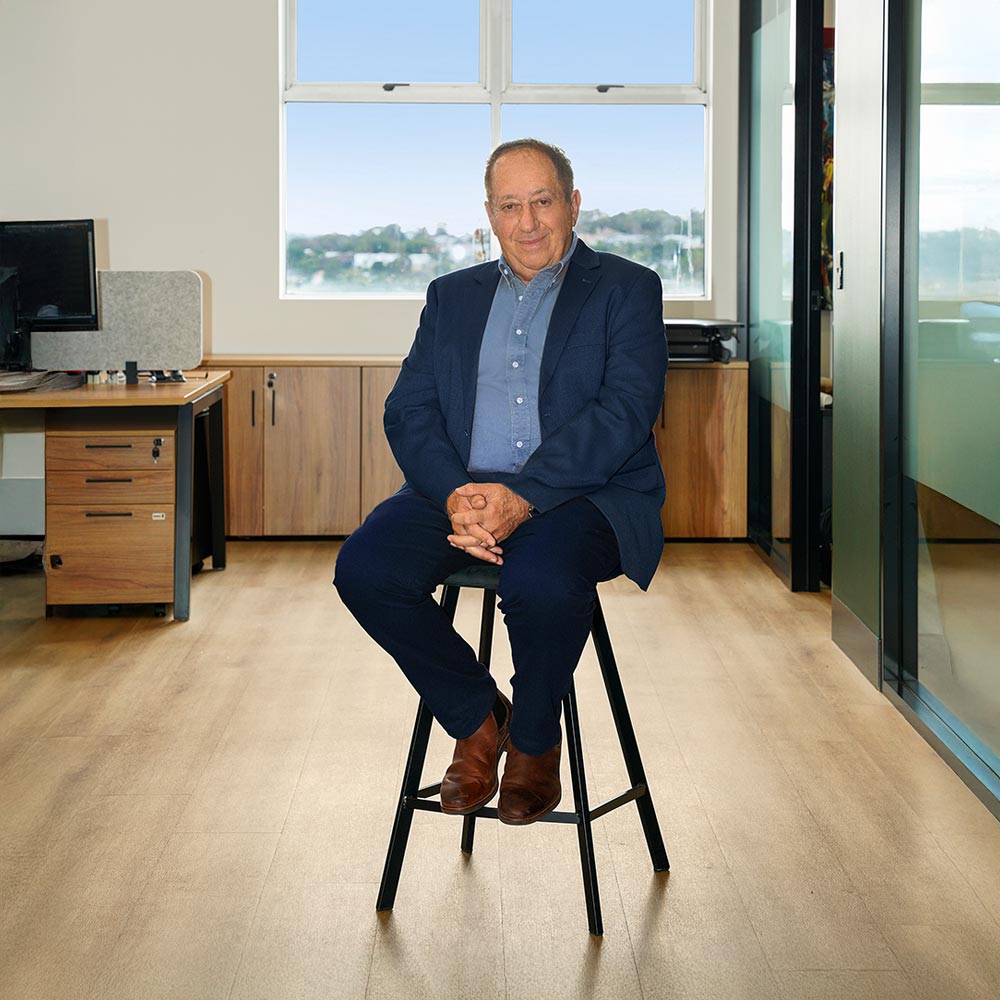
CEO, Notary Public
With over 50 years in law, Barry advises businesses on trade mark protection, franchising, mergers and acquisitions, and business structuring.

Director, Principal Solicitor
Admitted in NSW and England and Wales, Mark brings hands-on global IP experience from his time as Legal Counsel and Legal Director for Monster Energy across EMEA.

Associate Lawyer
Chen’s background spans legal practice, fund management, and compliance, bringing a sharp commercial perspective to IP and trademark matters.


- Launching a new brand?
Start Strong With Trademarks
- (02) 8644 6000
- info@lazaruslegal.com.au
- 1/422 Oxford St, Bondi Junction NSW 2022
- 5/133 Wakefield Street Adelaide SA 5000
- 1/14 Fremantle Street Burleigh Heads QLD 4220
Frequently asked questions
What is a patent attorney?
A patent attorney is a registered professional qualified to draft, file and prosecute patents in Australia. They are registered with the Trans-Tasman IP Attorneys Board and usually hold a science or engineering degree alongside their IP qualifications. Only a registered patent attorney can prepare a patent specification for someone else for payment.
Are patent attorneys lawyers?
Not necessarily. A patent attorney is a separate profession from law in Australia. Some patent attorneys are also admitted lawyers, but many are not. A patent attorney is qualified to obtain patent rights, while a lawyer advises on the law and appears in court.
Do patent attorneys go to court?
Do I need a patent attorney to file a patent in Australia?
Can a patent attorney act for me anywhere in Australia?
How long does a patent last in Australia?

Principal Solicitor, Director, Lazarus Legal
Mark Lazarus advises NSW businesses on intellectual property, commercial transactions, business structuring, and dispute resolution. Before founding Lazarus Legal, he served as Legal Counsel and Legal Director at Monster Energy across the EMEA region, where trademark protection and brand enforcement were central to his day-to-day work. He has since advised over 2,000 Australian founders and supported more than 500 trademark registrations, bringing the same commercial approach to IP matters that he developed working for one of the world's most recognised consumer brands.
Page Published: 11 June 2026 | Updated: 14 June 2026