
Intellectual Property
How Much Does a Trademark Cost in Australia?
The short answer
You pay $250 per class in government fees to file a trademark in Australia, using a standard application lodged online with IP Australia's pick-list wording. TM Headstart costs $330 per class. Renewal costs $400 per class and falls due every ten years.
How many classes your business needs changes what you pay, because each class is another $250. So does whether the examiner accepts your application or issues an adverse report against it.
An adverse report is not a refusal, and IP Australia charges you nothing to answer one. What it costs you is legal fees: $1,500 plus GST for a written submission, or $5,000 to $7,000 plus GST for an evidence of use case.
IP Australia fees for filing a trademark application
You pay IP Australia twice in ten years. You pay when you file, and you pay again when you renew a decade later. IP Australia charges you nothing in between, including when it examines your application and when you answer an examination report.
A standard application lodged online, using IP Australia's pick-list wording, costs $250 per class. What you actually pay depends on how many classes your business needs, whether you describe your goods and services in IP Australia's words or your own, whether you are protecting one version of the mark or several, and whether you lodge online or by post.
Trademark application fees per class
The Trade Marks Regulations 1995 (Cth) set these fees. You pay them per class of goods or services, at the point you file, and they are GST-free.
| Your choice at filing | Fee per class |
|---|---|
| Standard application, lodged online, pick-list wording | $250 |
| You describe your goods and services in your own words | +$150$400 |
| You cover several versions of one mark in a single filing | +$150$400 |
| You lodge the application by post | +$200$450 |
| You add a class after the application is filed | +$200$450 |
| Several versions, described in your own words | +$300$550 |
| Several versions, lodged by post | +$350$600 |
| Several versions, class added after filing | +$350$600 |
How many trademark classes your business needs
Each class costs you another $250, so the number of classes changes your total more than anything else you decide at filing. Most trading businesses need one to three. To work out how many you need, list what the business sells and what it does for customers, then find the class that covers each one.
Working through a café that roasts and sells its own beans shows how that list turns into a fee.
| What the business does | Class and fee |
|---|---|
| Sells its own roasted coffee beans | Class 30, $250 |
| Runs the café itself | Class 43, $250 |
| Sells branded t-shirts and caps | Class 25, $250 |
| Filing fee, three classes | $750 |
Common pitfall
The class we most often see missed is 35
Class 35 covers retail and wholesale services. Our café needs it the moment it puts another roaster's beans or someone else's chocolate on the shelf, because selling other people's products is a service in its own right. That takes the café from three classes to four, and its filing fee from $750 to $1,000.
Register class 30 for the coffee and leave class 35 off, and your beans are protected while the retail side of the business is not. A competitor could open a store under a similar name selling coffee they roasted themselves, and you would have nothing registered to stop them.
Filing broadly to cover everything the business might do later costs you $250 for each class now and exposes you to a removal application afterwards. Three years after registration, a third party can apply to strip out any goods and services you have never actually sold, and you either let that coverage go or pay to defend it. Class selection is set out in full on classes of trademarks.
The choices that change what each class costs you
Once you know how many classes you need, what each class costs depends on whose wording you use, whether you file a series, how you lodge the application, and whether you get the class list right the first time.
You write your own wording
IP Australia's pick-list holds more than 60,000 pre-approved descriptions of goods and services. If you take your terms from that list, classification clears automatically and your class stays at $250. Writing your own description gives you more precision, but the examiner can still object that you have not defined the goods or services clearly enough.
You file a series application
A series application covers several closely related versions of one mark in a single filing, such as the same word with and without a device. Your variants have to satisfy the statutory requirements for a series. If they do not, the examiner objects and you have paid the premium for nothing.
You lodge by post
IP Australia examines a posted application in exactly the same way as an online one, and it takes longer to reach an examiner. You get nothing for the extra $200 per class.
You add a class after filing
You cannot broaden your goods and services beyond what you claimed when you lodged. IP Australia will let you add a class only in limited circumstances, and charges $450 for that class rather than $250, so settling your class list before you file saves you $200 for every class you would otherwise add later.
Trademark cost for a business name, a logo, or both
Your name and your logo are two separate applications, and IP Australia charges you per class for each. Protecting both across two classes costs you $1,000 in government fees rather than $500. If your budget only covers one, file the word mark for your name first, because you can redesign the logo later without losing your protection.
File this first
Word mark, your name
Protects the name in any styling. If you redesign the logo in three years, the registration still covers you.
Add when budget allows
Device mark, your logo
Protects only the design as you filed it. File this one first only if customers recognise your logo more readily than your name.
Does IP Australia discount multiple trademark classes?
No. IP Australia charges you per class whether those classes sit in one application or in several, so three classes cost you $750 either way. There is no bundle, package or volume rate at any number of classes.
A multi-class application saves you administration rather than money. You get one application number, one examination and one renewal date to diarise instead of three of each, which is worth having over a ten-year cycle. The only two choices that reduce what you pay are taking your wording from the pick-list, which saves you $150 per class, and lodging online, which saves you $200 per class.
What the trademark application fee covers
Your application fee carries the mark through to registration. IP Australia's schedule sets no separate registration fee, so if your application passes examination without objection you pay $250 for one class and nothing further for ten years.
Your application reaches an examiner around three to four months after you file, and the examiner either accepts it or issues a report setting out what needs fixing. Registration cannot happen earlier than seven months from your filing date, however straightforward the application is. If you have a fixed launch date or you are already in court proceedings, you can ask IP Australia to expedite examination, which brings the examiner's assessment forward without shortening those seven months.
Covered by your $250
- Filing the application
- Examination by IP Australia
- Advertisement of the accepted mark
- Registration itself
Not covered
- A clearance search before you file
- Responding to an examination report
- Defending an opposition
- Renewal at year ten
Those four uncovered items are what take a trademark past the filing fee. If you need copies of documents from a trademark file, IP Australia charges $50 per document for one to three documents from the same file, $200 for four or more, and $20 per request to send them by expedited post.
To work out which classes cover your business before you file, see classes of trademarks, or speak with a trademark lawyer at Lazarus Legal.
What a solicitor charges to file a trademark
You pay IP Australia the same $250 per class whether you lodge the application yourself or we lodge it for you. What you are paying a solicitor for is the work done beforehand, and whether you need that work depends on what your mark is and on what is already registered over similar goods and services.
When self-filing your trademark is the right decision
If your mark is an invented word, one class plainly covers what you sell, the pick-list already describes every item, and you have searched the register and found nothing similar, lodge the application yourself for $250. You have already done the three things we would charge you for: you know your class, the pick-list has given you your wording, and you have checked the register.
To decide whether you should file it yourself or use a solicitor, check whether any of the following three things is true of your mark or your business.
Your mark describes what you sell
If part of your mark tells a customer what the product is rather than who makes it, the examiner will usually object under section 41. Answering that objection costs $1,500 plus GST for a written submission, or $5,000 to $7,000 plus GST for an evidence of use case.
A similar mark already sits on the register
Section 44 blocks a mark that is substantially identical or deceptively similar to an earlier mark over similar or closely related goods and services. You will not find those marks by checking business names or domains, because a trademark can be registered by someone who trades under a different name entirely. You have to search the register itself.
Your business spans several classes
If something you sell has no obvious pick-list description, or if your goods and your services fall on opposite sides of the classification, you can end up with a classification objection or with part of the business left uncovered. IP Australia examines what you claimed, not what you left out, so an examiner will never tell you that a class is missing.
If none of those three things is true, lodging the application yourself for $250 is the right decision. If one or more is true, compare our fee not against $250 but against $250 plus what you will pay to answer the examination report.
What a solicitor's trademark filing fee covers
Before we lodge anything we search the register, work out which classes your business occupies, and draft the description of your goods and services.
We search the register, including adjacent classes
IP Australia does not decide whether two marks conflict by looking at the class number, because closely related goods and services can clash across class boundaries. If you search only the class you intend to file in, you will miss those conflicts, and moving your application into a neighbouring class will not get you past an earlier similar mark.
We work out which of the 45 classes you occupy
If you search the pick-list for a plain-English term you will get descriptions from several different classes, and only some of them will be yours. To tell them apart you have to go through the business activity by activity, rather than picking whichever descriptions the search happened to return.
We draft your specification
Your description of goods and services needs to be broad enough to cover what you do and narrow enough to survive examination now and a non-use application three years after registration. Those two requirements work against each other, so we settle the wording by going through what you actually sell rather than copying a competitor's registration.
Filing it yourself
Costs$250 per class, plus the risk that an objection you could not see costs $1,500 or more to answer, or forces you to change the name.
SuitsAn invented word, one obvious class, pick-list wording available, nothing similar on the register.
Filing through a solicitor
CostsA fixed fee agreed before work starts, plus IP Australia's $250 per class passed through at cost.
SuitsA mark that describes what you sell, several similar marks already on the register, or a business selling across several classes.
How Lazarus Legal charges for trademark filings
We charge a fixed fee for trademark filings, and we agree the scope and the price with you before we start. We pass IP Australia's fees through at cost as a disbursement and add nothing to them, so the $250 per class on the published schedule is the $250 that appears on your invoice.
That fixed fee covers the search, the class mapping and the drafted specification, and we quote it once we know what you sell and how many classes that covers. If something falls outside the agreed scope we charge for it hourly, at a blended rate of approximately $550 plus GST per hour. You can see how we structure fees across all of our work on how much do lawyers charge.
Important
A search after you file cannot change what you claimed
Searching the register once your application is lodged will still show you what else is registered, but your goods and services are already fixed. From that point you can narrow the specification by amendment, answer the examiner, or file again with a new priority date. None of those puts you back where a search before filing would have.
For the scope of a search and what it can and cannot prove, see our guide to a trademark search in Australia, or speak with a trademark lawyer at Lazarus Legal.
TM Headstart fees compared with a standard application
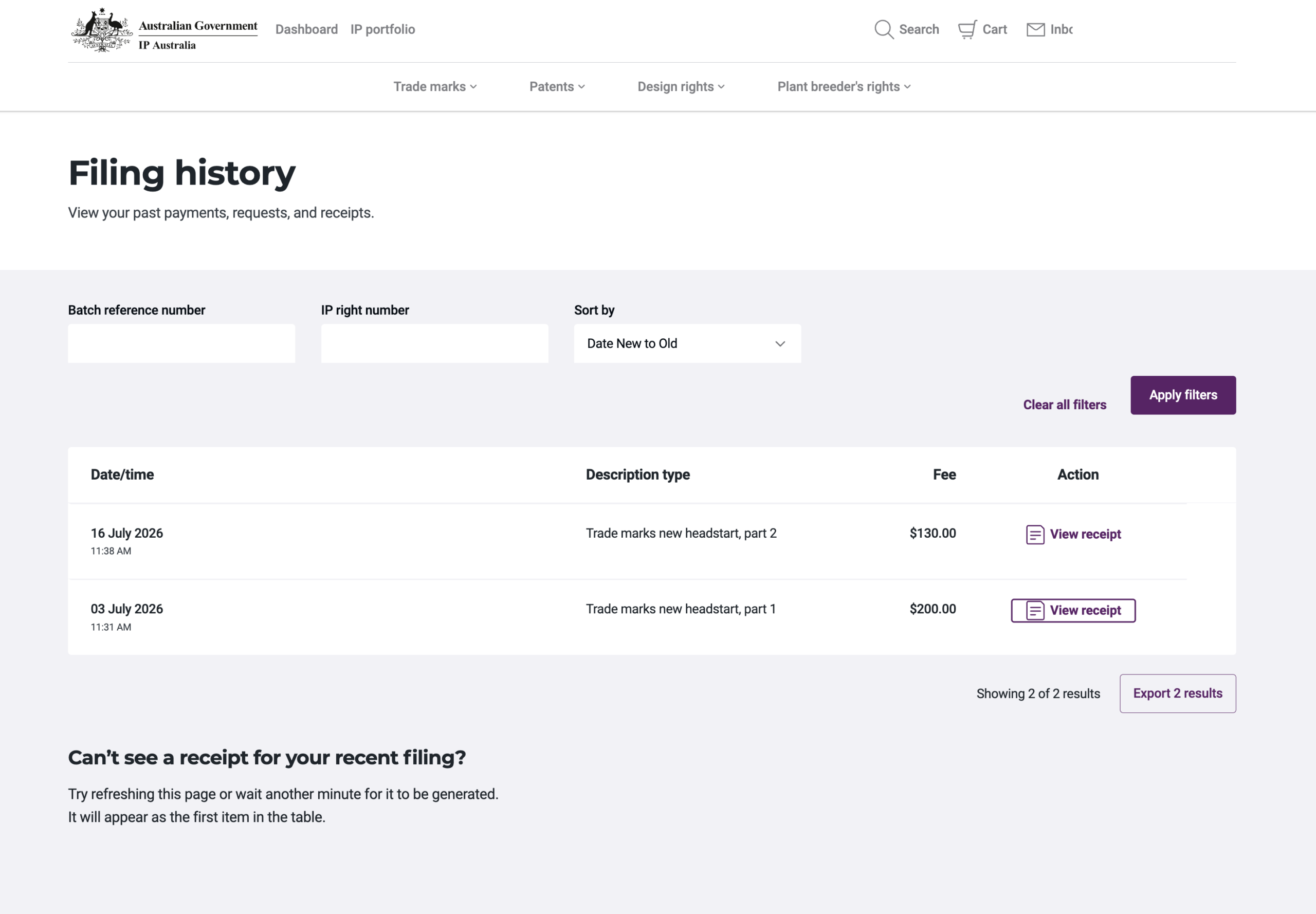
TM Headstart is IP Australia's pre-application service. You submit your mark, an examiner reviews it and tells you whether it is likely to face an objection, and you decide whether to convert the request into a full application. You get that assessment before your acceptance period starts running, and you pay for it in two instalments rather than one.
Standard pick-list application
$250 per class
TM Headstart
$330 per class
TM Headstart fees per class
| Step | Fee per class |
|---|---|
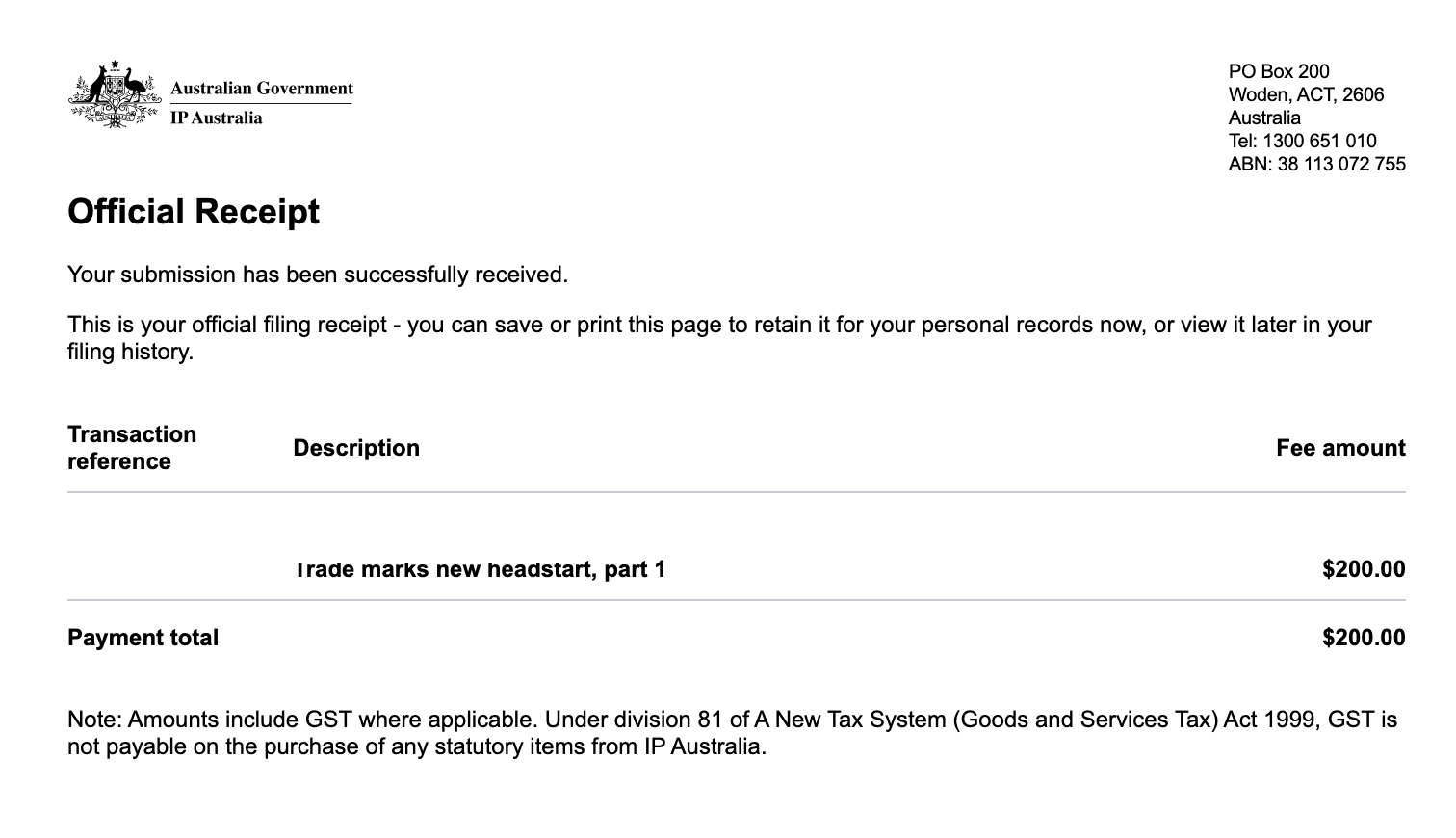
| Step 1, request the assessment | $200 |
| Step 2, amend the applicationoptional | $150 |
| Step 2, add a new classoptional | $200 |
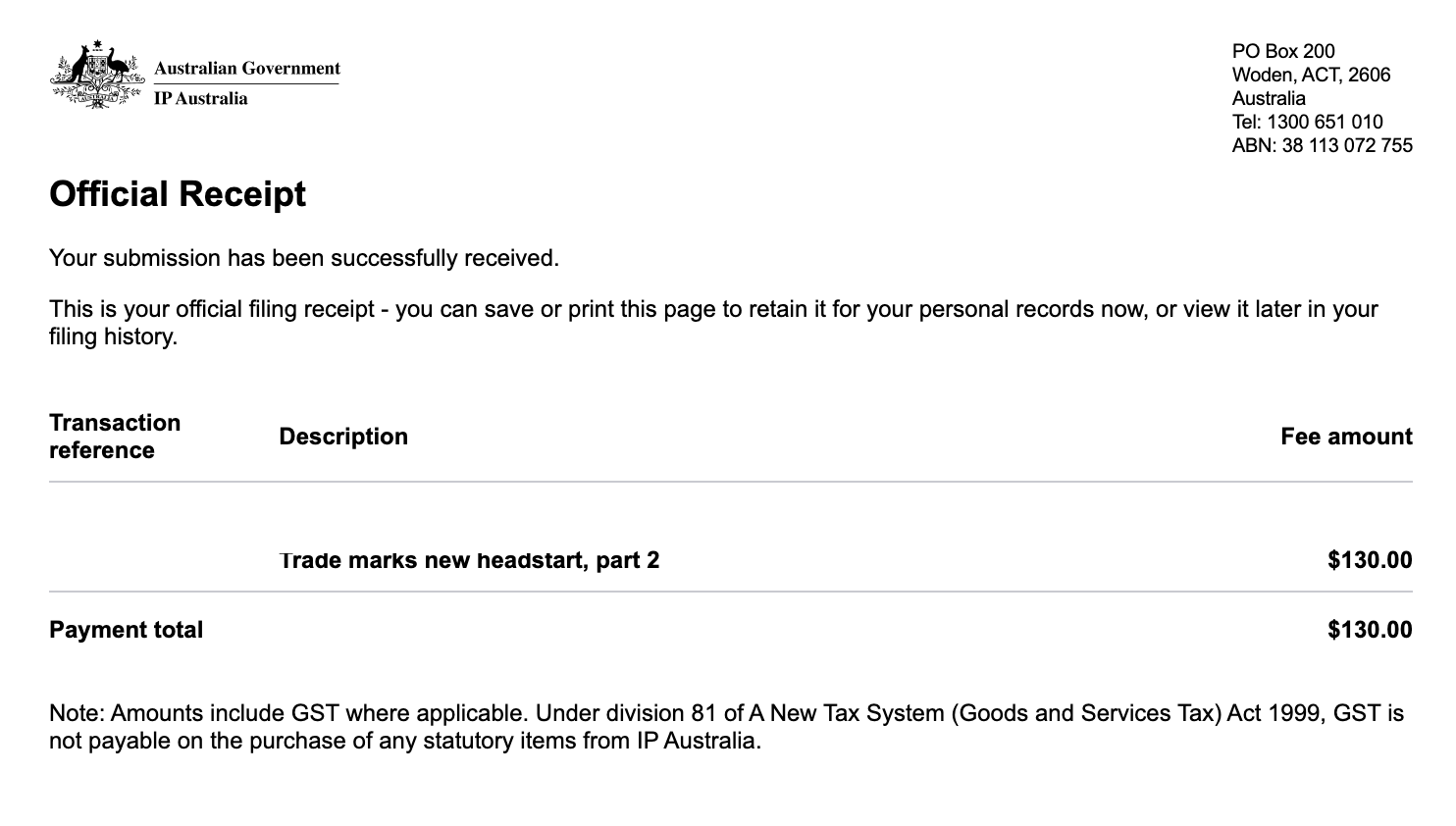
| Step 3, convert to a standard application | $130 |
| Least you can spend, no amendments | $330 |
When TM Headstart is worth paying for
For $80 more per class, an examiner tells you whether your mark is likely to be objected to before your fifteen-month acceptance period starts. If that assessment is adverse, you can stop at Step 1 having spent $200. If you had filed a standard application instead, you would have spent $250 and be holding an application with an objection on it and fifteen months to resolve it.
Set that $80 against what an examination report costs to answer, which is $1,500 for a written submission or $5,000 to $7,000 for an evidence of use case. TM Headstart is worth paying for if a search has already turned up a similar earlier mark, or if part of your mark describes what you sell, because both of those make an objection more likely.
What a TM Headstart assessment does not cover
The examiner reviews the mark you submitted. The examiner does not check whether you have chosen the right classes for your business, and does not check whether your description of goods and services covers everything you sell.
Common pitfall
A favourable assessment on an incomplete application
Take the café roasting its own beans. It submits a TM Headstart request across classes 30, 43 and 25, pays $990, and the examiner reports that the mark is fine in all three. The examiner is right. Nothing in that assessment tells the café that it also stocks another roaster's beans and needs class 35 for the retail side.
The café converts, registers three classes, and finds the gap when a competitor opens nearby under a similar name selling coffee at retail. Adding class 35 at that point means a fresh application at $250, examined separately, with a priority date years behind the other three.
When a standard application is the better choice
If you amend your application at Step 2, TM Headstart stops being good value. An amendment costs $150 per class, which takes a single-class TM Headstart to $480 against $250 for a standard application.
Important
TM Headstart runs on five-day deadlines
You get five days to amend after the examiner's feedback and five days to formalise the application. Those five days run from the date on the report, not from the day you open it, and your application lapses automatically if you miss either deadline.
If your mark is an invented word, your classes are unambiguous and a search has turned up nothing similar, file a standard application at $250. IP Australia examines it against the same requirements either way, so the extra $80 pays for an assessment you can already predict.
To work out which route suits your mark, speak with a trademark lawyer at Lazarus Legal, or start with a trademark search.
The cost of responding to an adverse examination report
Everything you pay at this stage is legal fees. A written submission costs $1,500 plus GST and an evidence of use case costs $5,000 to $7,000 plus GST, and you do not choose freely between the two, because the section of the Trade Marks Act 1995 (Cth) that the examiner cited decides which one is open to you.
What an adverse examination report is
An examination report is not a refusal. The examiner sets out what is wrong with your application and tells you which routes are available to fix it.
You have to get the application accepted within fifteen months of the date on the report. That fifteen months is not a deadline for sending a reply, and it does not start again when you send one.
An examiner can raise several kinds of objection, and you clear most of them by amending the application, which IP Australia does not charge for. The two objections below are the ones that cost you money, because answering either takes a substantive legal response rather than an amendment.
- Section 41. The examiner says your mark is not capable of distinguishing your goods or services from those of other traders. Examiners raise this where part of the mark describes what you sell.
- Section 44. The examiner says your mark is substantially identical or deceptively similar to a mark with an earlier priority date, over similar or closely related goods or services.
IP Australia gives you no form to answer an examination report
IP Australia charges you $250 per class to lodge an application, and gives you a guided online form to do it with. The pick-list is built into that form, the fees calculate as you go, and the system will not let you lodge an application that is missing something it needs.
To lodge a response you get no form at all. You submit a cover letter, a declaration and a set of exhibits that you have written and assembled yourself. No template tells you what a distinctiveness case has to contain. Nothing prompts you to break your turnover figures down against the goods and services you actually claimed. Nothing flags a declaration that has left out continuity of use.
Our view is that this is the wrong way round. IP Australia charges for the step that is hardest to get wrong and easiest for its own system to check, and charges nothing for the step that decides whether your mark registers.
The practical result is that applicants budget for the fee they can see and set nothing aside for the stage that decides the application. Some of them read the report as a refusal and let the fifteen months run out on an application that could have been saved.
Important
Call the examiner before you decide how to respond
IP Australia recommends telephoning the examiner to discuss your case, and puts the examiner's phone number on the report. The call is free. An examiner may tell you that narrowing your specification would clear a section 44 objection, which costs you nothing at all, or that the objection turns on a point a written submission can address rather than one needing evidence. We make that call before we quote on a response.
The two ways to answer an examination report
Written submission
$1,500 plus GST
A letter of legal argument. It introduces no new facts about your trading and argues that the examiner reached the wrong conclusion on the material already on your file.
Evidence of use
$5,000 to $7,000 plus GST
A sworn declaration with dated exhibits, proving how you have actually used the mark in trade. It introduces facts the examiner did not have.
To answer a section 44 objection by written submission, we argue that the two marks are not substantially identical or deceptively similar, or that the goods and services are not similar or closely related, working through IP Australia's examination practice and the relevant authorities. To answer a section 41 objection the same way, we argue that your mark does have the capacity to distinguish, usually because the element the examiner called descriptive does not describe the goods and services you claimed.
A written submission works where the objection turns on how the examiner assessed your mark or your goods, because that assessment is something we can argue with using material already on the file. If the examiner instead needs to know something about how you have used the mark in trade, argument cannot supply that and you need an evidence case.
What an evidence of use case has to prove
Evidence of use is a sworn declaration supported by dated exhibits, made up of three parts: a cover letter identifying your application and the objection you are answering, the declaration setting out your use of the mark, and exhibits that back up every statement in the declaration.
Section 41: proving the mark has become distinctive
Your declaration has to show that customers read your mark as an indicator of who made the product rather than as a description of what it is. That means setting out when you first used the mark and for how long, whether that use has been continuous, where in Australia you have used it, what you have spent on advertising, and your annual turnover figures.
IP Australia will also give weight to your market share, the channels you advertise through, published articles mentioning the mark, the size of your customer base, distributor activity, declarations from people of standing in your trade, and consumer survey evidence.
Which limb of section 41 the examiner applied decides whether this route is open to you at all. Under section 41(3), where the examiner finds your mark has no inherent capacity to distinguish, you have to prove the mark was already distinctive of your goods at the filing date. Use after that date does not help you and the examiner will not consider evidence of intended use. Under section 41(4), where the examiner finds the capacity is limited rather than absent, evidence of intended use can count, including pre-launch market research, market estimates, product launch plans and marketing plans.
Section 44: proving prior use, honest concurrent use or consent
To clear a section 44 objection with evidence you have to establish one of the three things below, and which one is available to you depends on the facts of your business rather than on how well the argument is put.
- Prior use. You used the mark before the earlier mark's priority date and continuously up to your filing date. You have to identify the specific goods and services you sold under the mark, the month and year you first used it in Australia, documentary proof of continuity such as invoices or annual sales figures, and exhibits showing how you first used it. A statement that you started using it in a particular year will not carry the point on its own, and you may have to remove goods and services you cannot prove prior use for.
- Honest concurrent use. You set out a documented history of the mark: when you chose it, why and how you chose it, whether you knew about the conflicting mark, whether you searched before adopting it, the goods and services you sell under it, first use by month and year, whether use has been continuous, the states or regions you have traded in, any instances of confusion you know about, and your annual advertising spend and turnover for the goods and services you claimed.
- Other circumstances. Most often this means written consent from the owner of the conflicting mark, or use with that owner's permission as a related or subsidiary company.
Practice point
Keep your figures out of the cover letter
Anyone can inspect a cover letter under section 217A of the Trade Marks Act 1995 (Cth). Declarations and exhibits are not generally open to public inspection, though someone can apply for them under the Freedom of Information Act 1982 (Cth).
Your turnover, your margins and your market share therefore belong in the declaration. Put them in the cover letter and a competitor can read them.
Why an evidence of use case costs more than a written submission
We draft the declaration, then locate the exhibits, date them, paginate them and cross-reference each one to the paragraph that relies on it, then review the whole bundle against the gaps an examiner will look for.
Your turnover and advertising figures have to come out of your business records and be tied to the goods and services you actually claimed. If you have used the mark through related companies, licensees or an overseas parent, we also have to establish chain of title and who the user was. The declaration is sworn, so every figure in it gets verified before it goes out.
How long the whole thing takes depends on how fast you can find your records rather than on our drafting. Assembling first-use dates, dated invoices, turnover and advertising figures and photographs of packaging or signage from the relevant years is the slow part, and it takes longer if you have changed accounting systems or rebranded a website since. Start pulling records together on the day the report arrives.
The Lazarus Legal credit on written submissions
If we lodge a written submission at $1,500 and the examiner maintains the objection, we credit that $1,500 against the cost of the evidence of use case.
A $6,000 evidence case that follows an unsuccessful submission therefore costs you $6,000 in legal fees, not $7,500. Because trying the cheaper route first costs you almost nothing, we run a written submission before we build an evidence case wherever the submission has a reasonable prospect.
When answering an examination report costs more than the mark is worth
Evidence of use is sometimes the wrong thing to spend money on, and we will tell you so before we take the instruction. The four situations below are the ones where we would advise against running an evidence case, because in each of them the money is unlikely to buy you a registration.
- The examiner cited section 41(3), which rules out both use after your filing date and evidence of intended use, leaving you very little material to work with.
- A direct competitor owns the blocking mark and is unlikely to give you consent.
- Your brand is recent, so you have not yet built up the recognition an evidence case needs to prove.
- You can avoid the conflict by narrowing your specification, which costs nothing, or by refiling a modified mark at $250 per class.
If several of those apply to you, a $6,000 evidence case can cost more than the brand is worth and may still fail. A business twelve months into a name will usually find rebranding cheaper than a business five years in, and you can make that decision more cheaply at the report stage than after a refusal.
IP Australia fees for amendment, deferment, extensions of time and hearings
Before you commit to a written submission or an evidence case, check whether one of the routes below clears the objection instead. Most of them cost you nothing, and the rest cost a fraction of a legal response.
| Route | Government fee | When you would use it |
|---|---|---|
| Amend the application | Nil | Narrowing your goods and services, correcting ownership details, adding an endorsement or amending the representation of the mark. |
| Deferment | Nil | The blocking mark is still pending, is expired but renewable, is subject to a non-use application, is in court proceedings, or you are asking its owner for consent. |
| Extension of time, up to six months | $100 per month | You need longer than your acceptance date allows. You request it within six months of that date and IP Australia does not advertise it. |
| Extension of time under section 224 | $100 per month | Your application has lapsed, or you have used up the six-month extension. You file a declaration, and IP Australia advertises any extension beyond three months. |
| Divisional application | Charged as a fresh application | You split the disputed classes off so the rest of the application proceeds on its original priority date. The parent application has to still be pending. |
| Hearing on written submissions | $500 | The examiner will not shift and you want a delegate to decide. |
| Oral hearing | $700 | As above, where the case warrants oral argument. |
Deferment is the route applicants overlook most often. If the mark blocking you is a pending application, or a registration showing as expired but still renewable, its status may change on its own and the objection disappears without you filing anything substantive. Deferment on the basis of honest concurrent use or other circumstances runs for six months, and a second deferment needs a different ground from the first.
Deferment costs you nothing and an extension of time costs $100 per month, so both are far cheaper than letting the application lapse. Most of the applications we see fail were not lost on the strength of the argument. They were lost because nobody filed anything inside the fifteen months.
If you have received an examination report, send it to us. The section the examiner cited tells us which route is open to you and what it will cost. You can also speak with a trademark lawyer at Lazarus Legal.
Trademark renewal and maintenance costs
Your registration lasts ten years from the date you filed, not from the date it was registered. If your application took twelve months to register, you get nine years of registered protection before your first renewal falls due. You renew for another ten years by paying IP Australia $400 per class, and you can keep renewing indefinitely.
Trademark renewal fees per class
| How you renew | Fee per class |
|---|---|
| Through IP Australia Online Services | $400 |
| By any other payment method | $450 |
| Late, within the six-month grace period | $400 plus $100 per month |
IP Australia sends you a reminder notice two months before the due date, and you can pay up to twelve months early if you would rather not rely on it. There is no limit on how many times you renew, so a mark you keep using and keep paying for stays registered for as long as the business runs.
Practice point
Check the address for service on your registration
IP Australia sends the renewal reminder to the address for service recorded against your registration, which is not necessarily your business address. If you filed through a lawyer or attorney ten years ago and no longer work with them, or if you have moved office since, that reminder goes somewhere you will never see it.
Nothing about a missed reminder changes your obligations. Your renewal still falls due on the same date and the same late fees apply, so check the address for service is current well before the ten years is up.
What happens if you renew a trademark late
You get a six-month grace period from the due date. IP Australia charges you an extra $100 for each month or part month the fee stays unpaid, and it treats a part month the same as a whole one. Pay twelve days late on a single class and you pay $500 rather than $400.
If the grace period runs out before you pay, your registration lapses and you lose the rights that came with it. You can file the mark again for $250 per class, but IP Australia treats that as a new application with a new priority date, examines it again, and anything registered in the meantime can now block you.
Important
You cannot buy back your original priority date
A lapsed registration is the one trademark cost that money does not fix. You can refile the mark for $250 per class, but the priority date you established when you first filed cannot be restored at any price. Ten years of seniority goes with it, and any mark filed during those ten years now sits ahead of your new application rather than behind it.
Adding goods, services or classes after your trademark is registered
You cannot broaden a registration once IP Australia has granted it. If you start selling something outside the goods and services you claimed, you file a new application at $250 per class. IP Australia examines it from scratch, gives it a new priority date, and puts it on its own ten-year renewal cycle. You end up holding two registrations with two different renewal dates, and the newer one carries less seniority than the original.
What a missing class costs you therefore depends on when you find it.
| When you add the class | What it costs you |
|---|---|
| Before you file | $250 |
| While the application is pending | $450 |
| After registration | $250 and a later priority date |
The invoice for adding a class after registration is $200 lower than adding one during examination. What you pay instead is the priority date, and if a competitor filed something similar in that class during the intervening years, your new application sits behind theirs.
Renewing fewer trademark classes than you registered
You do not have to renew every class on the registration. If you registered three classes ten years ago and the business has since stopped trading in one of them, renew the other two for $800 and let the third lapse.
Dropping a class you no longer use saves you $400 and removes goods and services that were exposed to a non-use application anyway. A third party can apply to remove goods you have not used, and defending that application costs you more than the class was worth.
Renewal is the point at which you look at the registration against the business as it trades now. Before you pay, work through each class and check that you are still selling what you claimed in it, in the same way you worked through the classes before you filed.
To check which classes still match what your business sells, see classes of trademarks. To have your renewals diarised and your specification reviewed before payment falls due, speak with a trademark lawyer at Lazarus Legal.
Total trademark cost from filing to renewal
The figures below follow one business through ten years. It is registering a word mark in two classes, and the only thing that changes between the three columns is whether an examiner objects to the application and how that objection gets answered.
Three outcomes for the same two-class application
| What you pay for | No objection | Objection cleared by written submission | Objection cleared by evidence of use |
|---|---|---|---|
| IP Australia filing fee, two classes | $500 | $500 | $500 |
| Answering the examination report | Nil | Nil | Nil |
| Written submission | Nil | $1,500 | $1,500 |
| Evidence of use, after the $1,500 credit | Nil | Nil | $4,500 |
| Extension of time, two months | Nil | Nil | $200 |
| Total to registration | $500 | $2,000 | $6,700 |
| Renewal at year ten, two classes | $800 | $800 | $800 |
| Ten-year total | $1,300 | $2,800 | $7,500 |
The two-month extension of time appears only in the third column because an evidence of use case takes longer to assemble than the acceptance period usually allows once a written submission has already been tried and refused.
Government fees are GST-free. Our fees are not, so add GST to the $1,500 and $4,500 lines when you budget.
Costs not included in these figures
The table prices IP Australia's fees and our fees for answering an examination report. It does not include what we charge to prepare and file the application itself, which we quote once we know what you sell and how many classes that covers.
Three further costs sit outside the table because none of them applies to most applications. Anyone can oppose your mark in the two months after IP Australia accepts it, and defending an opposition costs a filing fee of $250 or more plus the work of running the proceeding. Protecting the mark outside Australia carries separate fees in each country or region you file in. And if you lose the registration to a lapsed renewal and refile, you start these figures again with a new priority date.
Why a clearance search changes what you pay
The first column and the third are the same business, the same mark and the same two classes. The $6,200 between them is a single section 44 objection, raised because a mark that was already on the register when the application was filed is similar enough to block it.
That mark was findable before the application went in, and a search across the classes you intend to file in and the classes next to them would have found it. Knowing about it in advance is what lets you change the mark, narrow the goods and services, or approach the other owner for consent, and all three of those cost less than $6,200.
Cheaper outcomes not in the table
Not every objection costs $1,500 or more to clear
An examiner may accept a narrower specification, which costs you nothing. If the blocking mark is a pending application or is expired but still renewable, you can defer your application at no charge and wait for its status to change. If the blocking mark has been registered for more than three years without being used, an application to remove it for non-use costs $350 in government fees.
We work through those three before we quote on a submission or an evidence case, because any of them may resolve the objection for a fraction of what the table shows.
To find out which column your mark is likely to land in before you file, start with a trademark search, or speak with a trademark lawyer at Lazarus Legal.
Meet Your Trademark Lawyers
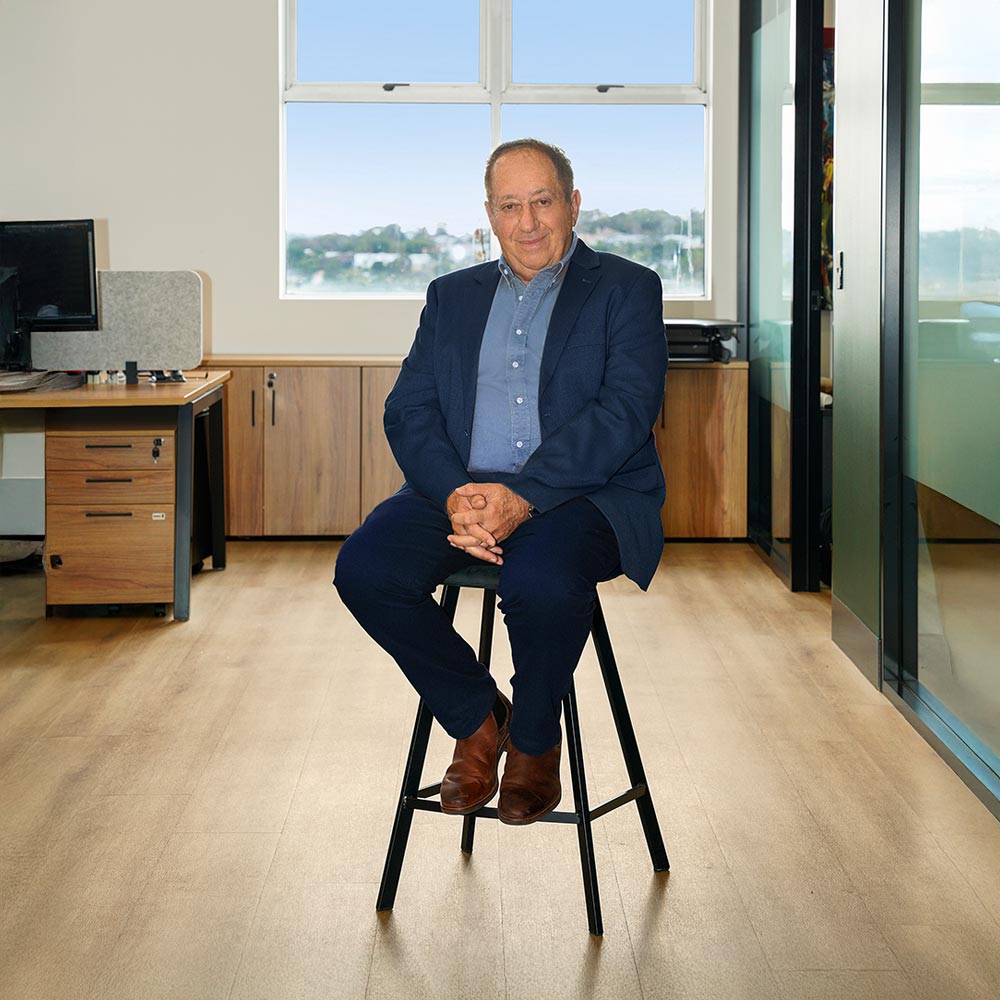
CEO, Notary Public
With over 50 years in law, Barry advises businesses on trade mark protection, franchising, mergers and acquisitions, and business structuring.

Director, Principal Solicitor
Admitted in NSW and England and Wales, Mark brings hands-on global IP experience from his time as Legal Counsel and Legal Director for Monster Energy across EMEA.
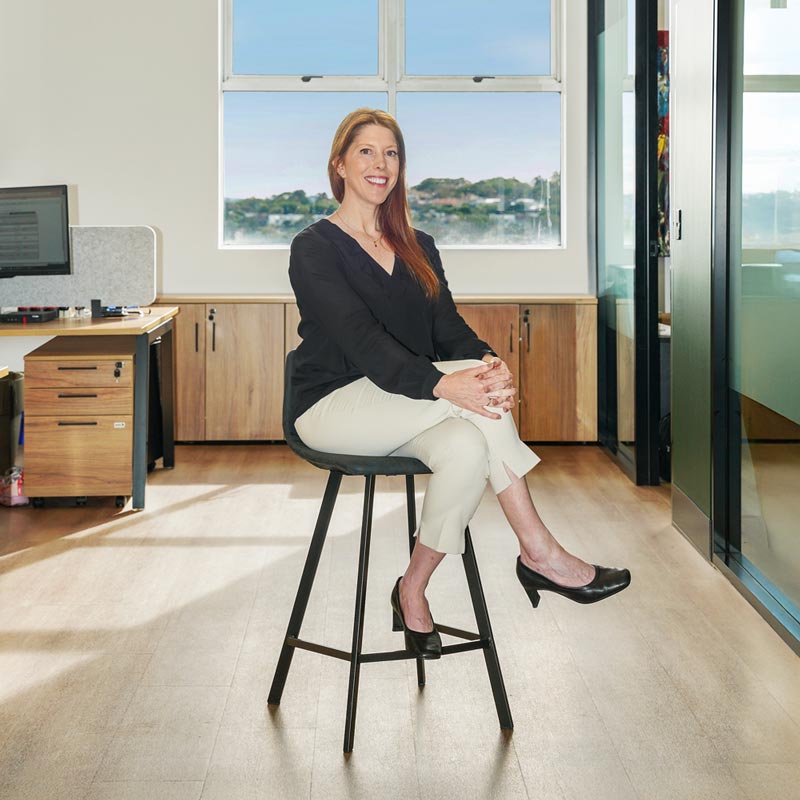
Associate Lawyer
Chen’s background spans legal practice, fund management, and compliance, bringing a sharp commercial perspective to IP and trademark matters.


- Launching a new brand?
Start Strong With Trademarks
- (02) 8644 6000
- info@lazaruslegal.com.au
- 1/422 Oxford St, Bondi Junction NSW 2022
- 5/133 Wakefield Street Adelaide SA 5000
- 1/14 Fremantle Street Burleigh Heads QLD 4220

Principal Solicitor, Director, Lazarus Legal
Mark Lazarus is a Director at Lazarus Legal, admitted to practise in New South Wales and England and Wales. As former Legal Counsel and Legal Director at Monster Energy across the EMEA region, where brand protection and enforcement were central to his work, he brings practical, commercial IP experience to trademark clearance, registration and disputes. He has advised over 2,000 Australian founders and supported more than 500 trademark registrations.
Page Published: 16 August 2026 | Updated: 16 August 2026